October 19, 2026
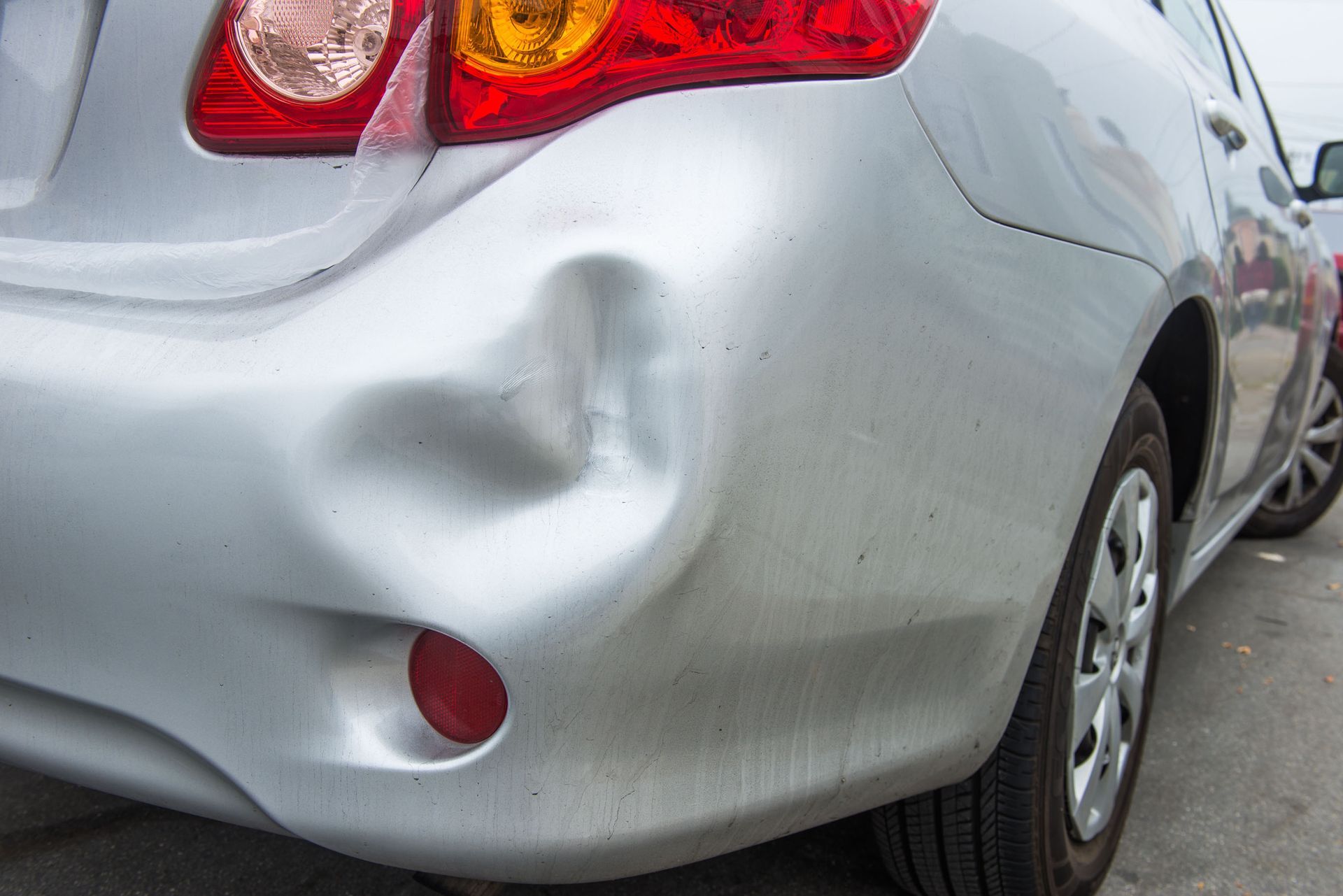
Dents are among the most common types of vehicle damage, often resulting from parking lot accidents, hailstorms, falling objects, or minor collisions. Although a dent may appear to be a purely cosmetic concern, its effects can extend beyond the vehicle's appearance. Depending on the location and severity of the damage, dents may affect protective finishes, reduce resale appeal, or conceal problems with underlying panels. Addressing these imperfections promptly can help vehicle owners maintain their cars' condition and avoid unnecessary complications. Professional car dent removal services offer solutions for restoring damaged panels while considering the vehicle's original materials and finish. Understanding why dent repair matters can help drivers make informed decisions about protecting their vehicles and maintaining their long-term value.
Protecting the Vehicle's Resale Value
Exterior condition is an important consideration when evaluating a used vehicle. Prospective buyers often examine body panels for dents, scratches, uneven finishes, and evidence of previous damage. Visible imperfections may raise questions about how carefully the vehicle has been maintained. According to DentAdvisor, a vehicle's resale value may decrease by up to 10% due to cosmetic damage, highlighting the importance of dent repair for owners considering selling or trading in their vehicles.
Professional car dent removal services can help improve a vehicle's presentation before resale. Restoring damaged panels may reduce visible signs of wear and make the exterior more appealing to potential buyers. The effect on resale value depends on the vehicle's age, condition, market demand, and severity of damage. Although repairs cannot guarantee a particular selling price, maintaining an attractive exterior can support a more favorable impression during inspections and negotiations.
Preventing Additional Paint Damage
Dents can sometimes place stress on a vehicle's painted surfaces. When metal bends or stretches, the surrounding paint may develop small cracks, chips, or areas of separation. These imperfections may not be immediately visible, particularly when the damage occurs along a body line or curved panel. Continued exposure to sunlight, moisture, road debris, and changing temperatures can contribute to further deterioration when the protective finish has been compromised.
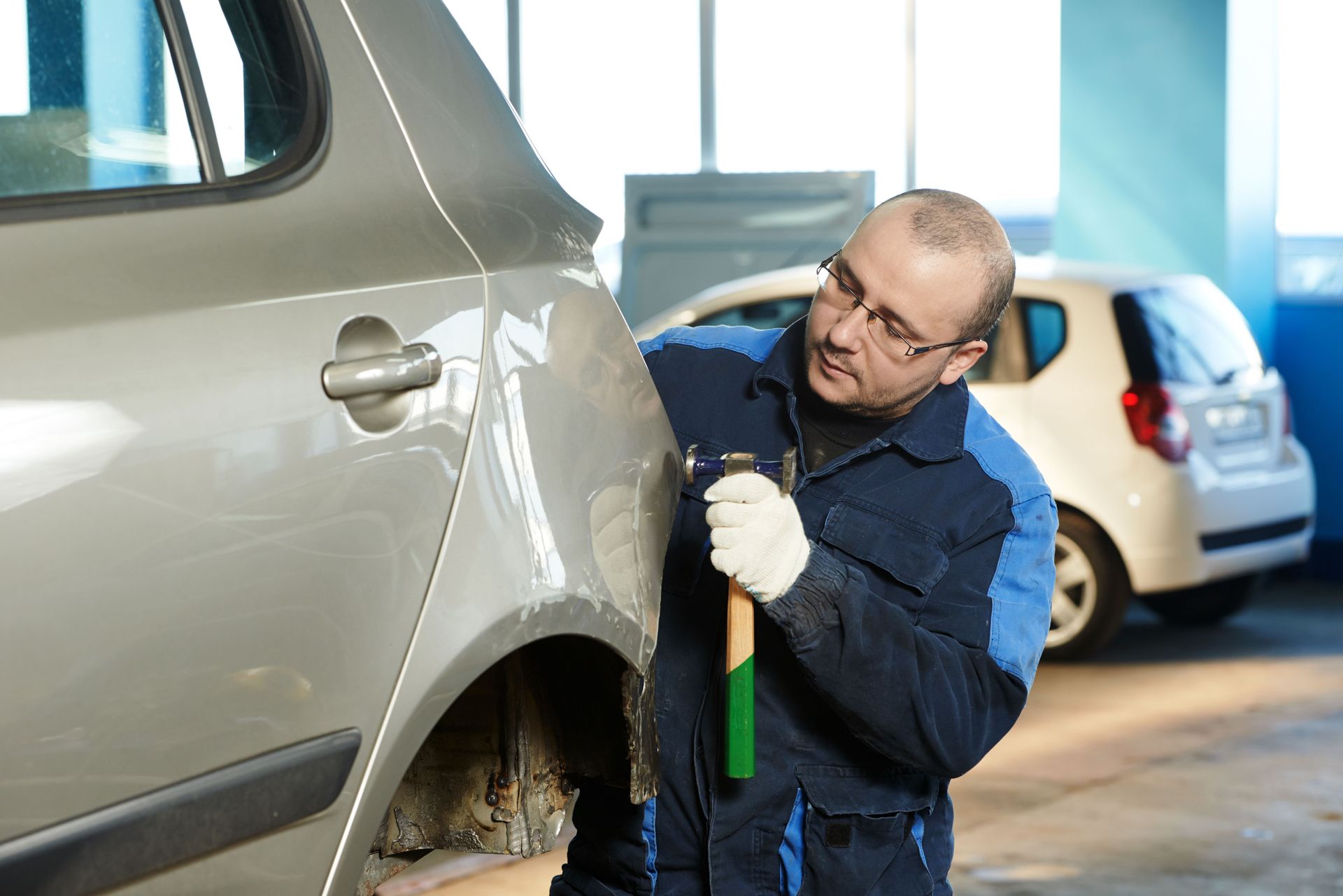
Experienced technicians inspect the condition of the paint before selecting a repair method. If the finish remains intact, certain dents may be corrected without repainting. When paint damage is present, additional refinishing may be necessary to restore the protective surface. Addressing these concerns promptly can help prevent minor imperfections from becoming more noticeable. Maintaining the integrity of the exterior finish also supports the vehicle's appearance and protects the materials beneath it.
Reducing the Risk of Corrosion
Vehicle body panels rely on protective coatings to limit exposure to moisture and environmental contaminants. When a dent damages the paint or underlying protective layers, exposed metal may become vulnerable to corrosion. Road salt, rainwater, humidity, and accumulated dirt can contribute to deterioration, particularly in areas where moisture remains trapped. Rust may begin as a small surface problem but can spread if the affected area is not properly addressed.
Professional car dent removal services can help vehicle owners identify damage that requires more than cosmetic correction. Technicians may inspect the affected panel for chipped paint, exposed metal, or early signs of corrosion. If the protective coating has been compromised, appropriate refinishing may be recommended after the dent is repaired. Addressing these problems before corrosion progresses can help preserve body panels and reduce the possibility of more extensive repairs later.
Maintaining the Original Factory Finish
A vehicle's factory paint finish is designed to provide consistent color, gloss, and surface protection. Traditional dent repair sometimes requires sanding, filling, repainting, and blending surrounding areas to achieve a uniform appearance. Although these methods are appropriate for certain types of damage, not every dent requires extensive refinishing. When the original paint remains undamaged and the panel is accessible, paintless dent repair may provide a less invasive alternative.
Technicians performing paintless dent repair use specialized tools and controlled techniques to gradually restore the panel's shape. This process can preserve the existing paint finish while reducing the need for replacement coatings. However, sharp creases, severely stretched metal, damaged paint, or inaccessible areas may limit its suitability. A professional assessment helps determine whether preserving the factory finish is realistic or whether another repair approach would produce a better result.
Identifying Hidden Panel Damage
Not all dent-related problems are visible from the outside. An impact that creates a noticeable indentation may also affect mounting points, internal supports, clips, or adjacent components. Damage near doors, wheel openings, and body seams can sometimes interfere with alignment or normal operation. A panel may appear only slightly dented while surrounding parts have shifted. For this reason, the visible size of an imperfection does not always indicate the full extent of the damage.
Professional car dent removal services begin with evaluating the affected area and determining whether additional concerns require attention. Technicians may inspect panel edges, gaps, fasteners, and nearby components for signs of displacement. If the damage extends beyond the exterior panel, other repair procedures may be necessary. Identifying these concerns helps vehicle owners understand the condition of their cars and avoid relying on cosmetic repairs when underlying problems remain unresolved.
Improving Long-Term Vehicle Maintenance
Routine vehicle maintenance often focuses on engines, tires, brakes, and fluid levels, but exterior care also contributes to preserving overall condition. Small dents may be easy to overlook when they do not affect driving performance. However, allowing multiple imperfections to accumulate can make it more difficult to monitor the condition of body panels and protective finishes. Regular exterior inspections help owners recognize new damage and determine when professional attention may be appropriate.
Scheduling car dent removal services when damage occurs can support a more consistent maintenance routine. Technicians can assess whether a dent is primarily cosmetic or requires additional attention because of paint damage or panel distortion. Repairing manageable imperfections may also prevent vehicle owners from facing several unrelated exterior problems at once. Taking a proactive approach helps maintain the appearance of the vehicle and encourages greater awareness of developing bodywork concerns.
Choosing the Appropriate Repair Method
Different dents require different repair techniques. Shallow indentations caused by hail or minor door impacts may respond well to paintless dent repair when the paint remains intact. Deeper dents, sharp creases, stretched metal, or damage involving multiple panels may require conventional bodywork. The material used in the panel can also influence the repair process because steel and aluminum respond differently to shaping techniques. Selecting the correct approach is important for achieving a satisfactory result.
Professional car dent removal services provide an opportunity to evaluate these factors before work begins. Technicians consider the dent's location, accessibility, size, and relationship to nearby body lines. They can explain whether the damage is suitable for paintless techniques or requires more extensive restoration. Understanding the available options helps vehicle owners compare repair recommendations and make decisions based on the condition of the affected panel rather than relying on temporary cosmetic solutions.
Dent repair plays an important role in maintaining a vehicle's appearance, protecting its exterior materials, and supporting its long-term value. Although some dents appear minor, they can affect protective paint coatings, create opportunities for corrosion, or conceal additional panel damage. Professional evaluation helps determine whether paintless dent repair or traditional bodywork is appropriate for the situation. Addressing imperfections promptly can preserve the vehicle's finish, improve its presentation, and reduce the likelihood of unnecessary complications. Whether damage results from hail, a parking lot incident, or another unexpected event, choosing an appropriate repair method helps keep the vehicle looking well maintained. For professional assistance evaluating dents and restoring your vehicle's exterior, contact Missouri Dent Werks.